Peptide Information

Peptide molecule illustration
Featured glossary entry

Peptides Purity

Polypeptide Purity Control and Verification Technical System

Cocerpeptides.com provides peptides with purity exceeding 99%. Cocer Peptides achieves precise control and scientific verification of polypeptide purity by integrating advanced technologies and a full-process quality control system: In the synthesis stage, automated solid-phase peptide synthesis (SPPS) is employed to accurately assemble amino acid ...

Learn More
Introduction to Peptides

Introduction to Peptides

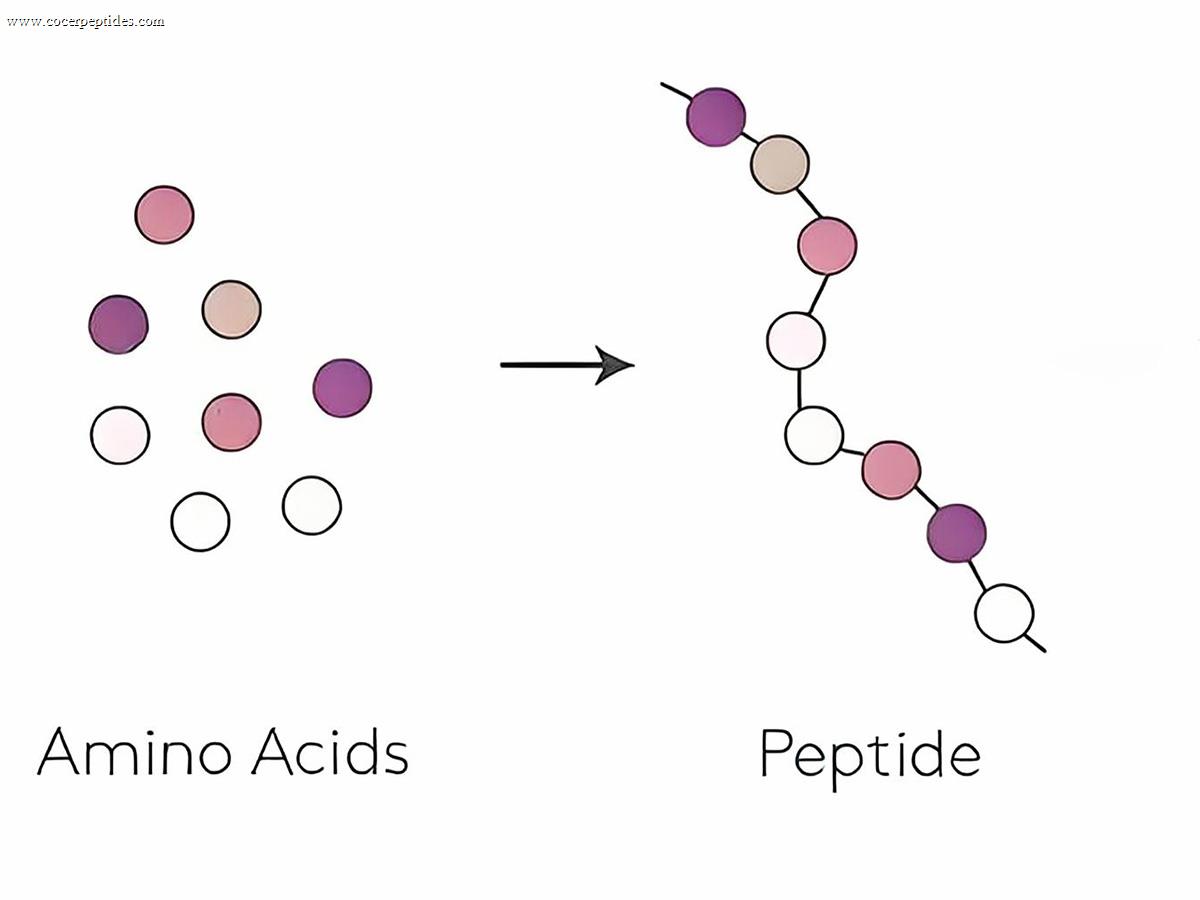
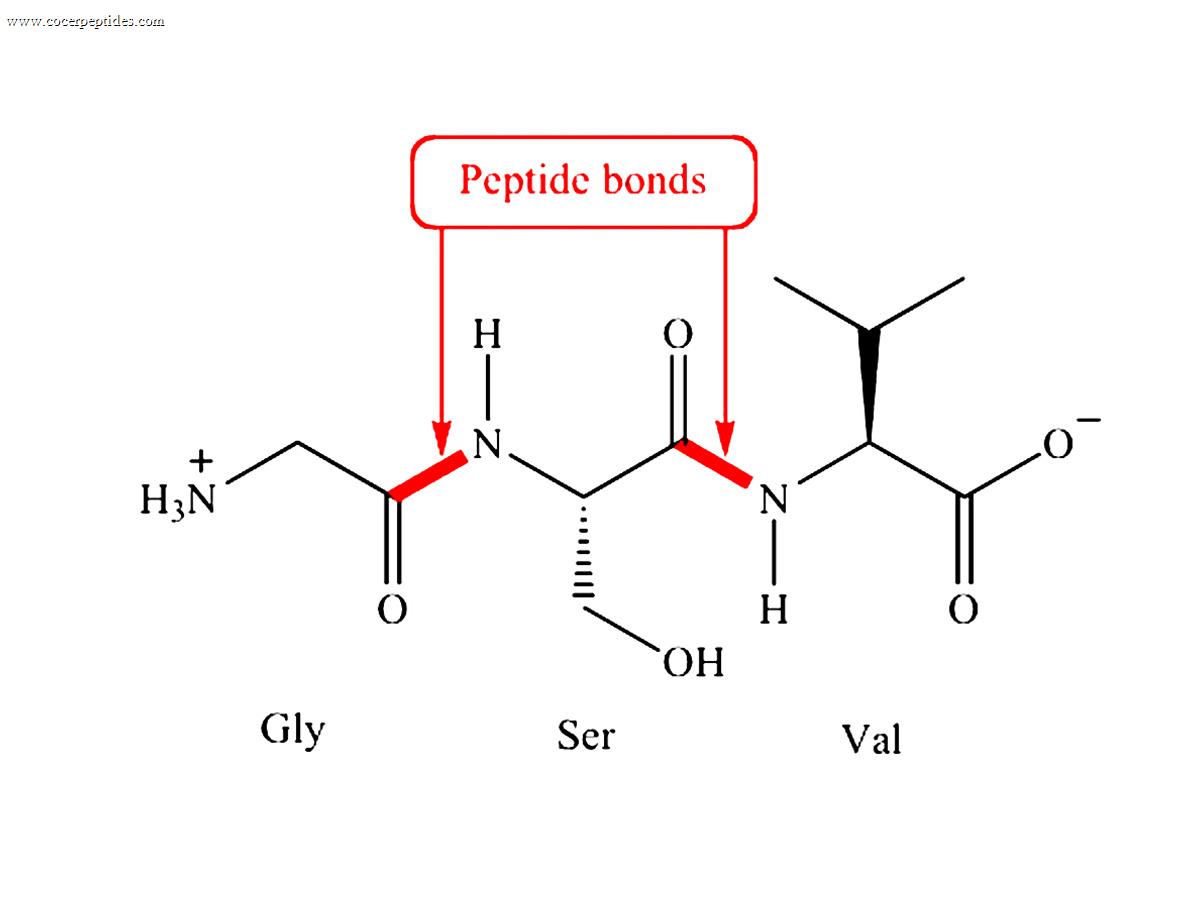
The term "peptide" originates from the Greek word "péssein," meaning "to digest." A peptide is a compound formed by amino acids linked through peptide bonds. Peptide bonds arise from the dehydration condensation between the alpha-carboxyl group of one amino acid and the alpha-amino group of another. Classified by amino acid count, peptides with 2 to 20 amino acids are termed oligopeptides, those with 20 to 50 are polypeptides, and sequences exceeding 50 amino acids with specific spatial structures are generally categorized as proteins. Peptides typically have a molecular weight below 10 kDa.

Read More
Peptide Bond

Peptide Bond

A peptide bond is a characteristic covalent bond in protein molecules, formed through a dehydration condensation reaction between the alpha-carboxyl group (alpha-COOH) of one amino acid and the alpha-amino group of an adjacent amino acid. Its chemical nature is an amide bond.

Read More
Peptide Synthesis

Peptide Synthesis

Peptide synthesis refers to the process of constructing amino acid sequences and forming amide bonds (peptide bonds) through chemical or biological means, essentially enabling the artificial construction of oligopeptide or polypeptide molecules with specific biological functions. As a critical branch of bioorganic chemistry, this technology focuses on the selective activation of amino acid monomers, directional conjugation, and precise control of sequence assembly.

Read More
Peptide Solubility

Peptide Solubility

Peptide solubility refers to the maximum amount of peptide that can dissolve in a unit volume of solvent under specific temperature and pH conditions, typically characterized by mass concentration (g/L) or molar concentration (mol/L). It directly influences preparation technology, storage stability, and clinical application efficacy of peptide-based drugs.

Read More
Peptides and Amino Acids

Peptides and Amino Acids

Amino acids are organic compounds containing an alpha-amino group (alpha-NH2) and an alpha-carboxyl group (alpha-COOH), with the general formula RCH(NH2)COOH. The alpha-carbon atom is linked to a specific side-chain group, forming the fundamental structural units of biological macromolecules.

Read More
Peptide Purification

Peptide Purification

Peptide purification separates and enriches crude peptide mixtures to acquire target peptides of high purity.

Read More
Peptide Storage

Peptide Storage

Peptide compounds possess biological activities that are highly susceptible to external environmental influences. The primary rationale for peptide storage is to prevent degradation, oxidation, and aggregation, thereby maintaining structural integrity and biological functions.

Read More
Peptides for research

Peptides for research

Research peptides are functionally designed molecules synthesized in laboratories, whose core value lies in providing instrumental support for life sciences research and being exclusively utilized in in vitro research settings.

Read More